The lanes are collapsing
I started my product management career in 2021, and back then the lanes were pretty clear: interview users, plan projects, write tickets, manage comms between engineering and accounts, QA, and approve for release. Engineers handled the code, and designers handled the UX.
That started to change in 2025.
I was inspired partly by Marc Lou, a prolific indie hacker who makes about $100k/mo from his own apps - but more than the side income angle, I just had this feeling there was more out there for me. I’d already gotten closer to the code than most PMs on my team - reading our SQL-based GitHub repos, running models on the database to catch bugs, even submitting a few little PRs that usually failed at CI/CD. But I knew I could do more.
On Jan 5, I started my first vibe coding project, bibleplan.app. I shipped it in 11 days with ChatGPT 4o and Sonnet 3.5, which now seems like putting a video tape in my VCR and waiting for it to rewind. I’m proud that today that little app is still not just functioning but thriving - getting multiple organic signups per week and a few weekly active users.
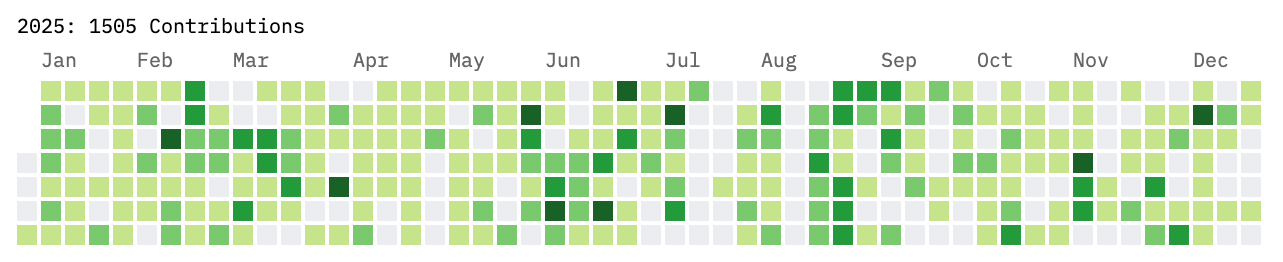
A lot has changed since then, and as you can see, I haven’t stopped tinkering. I’ve tried a lot of other little side projects. None of them are overwhelmingly successful, but the most valuable thing I learned all of last year is to just stay in the game.
The goal isn’t to keep up with the pace of AI, because frankly we just can’t. The goal is to compound your skills. Like any good investment, the sooner you start, the more you have to gain.
After a year of trying every AI tool and watching the industry change, I don’t think every PM is about to become a designer and engineer overnight. Not every company will support it, and not every employee even wants that.
But at the right company, with the right tools, the lane thing is just less true than it used to be. I’m leading the roadmap for our AI Assistant at work. With prototyping tools, we haven’t needed a designer because I can just try a bunch of different UX patterns and share that with my lead engineer. I’m also sitting close to the implementation and system prompting. A year ago, I wouldn’t have been doing either of those things.
It’s not too late to start using AI in your life and at work. Most people will use it at surface level and call it done because it’s not a magic bullet. It’s a skill that needs to be honed, and by getting in and staying in the game, you’ll be in the top 10%.
Thanks for reading!